The system behind the work.
Great creative that only one person can make is a bottleneck, not a system. The operations work made the brand repeatable, so a small team could produce on-brand at pace, long after launch.
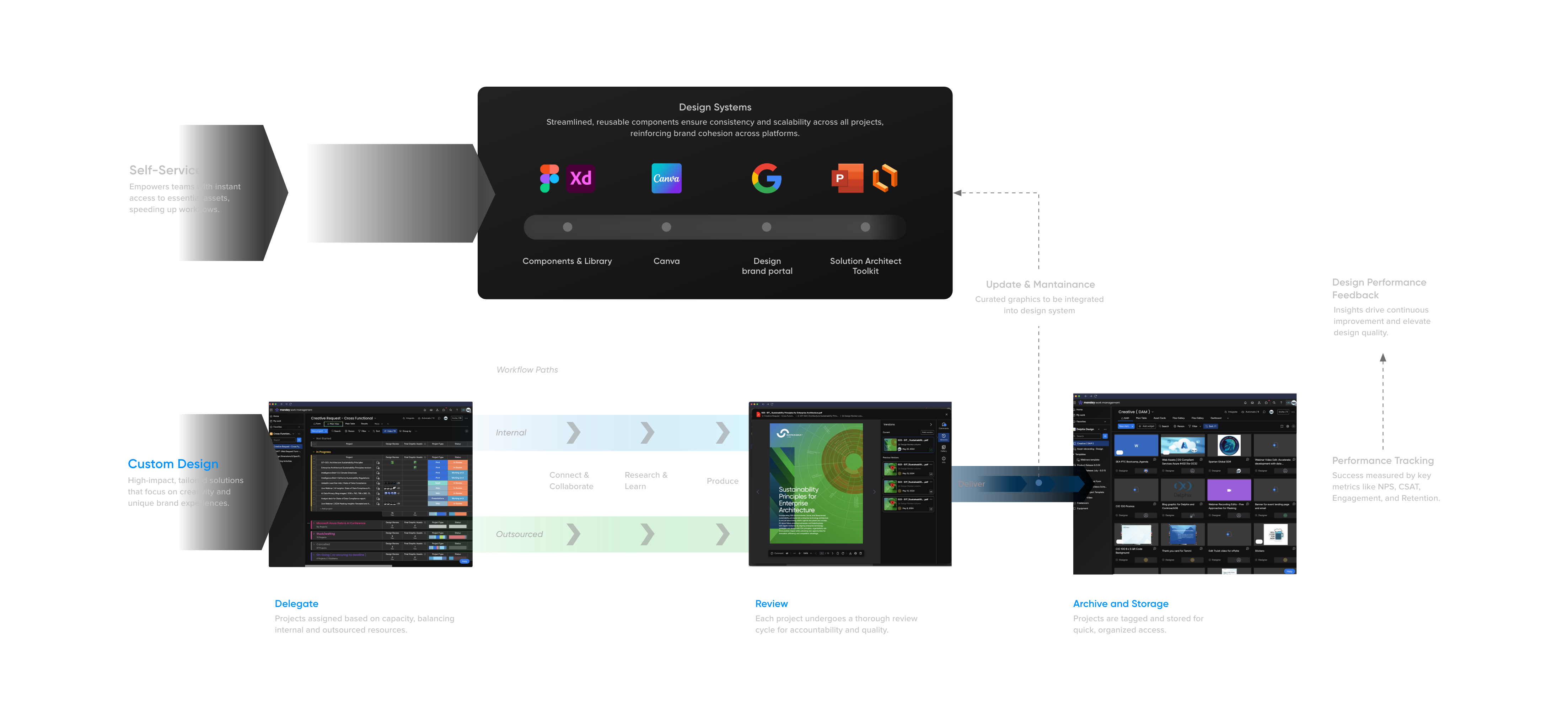
Everything was built from scratch.
Almost every asset started at zero, approvals stalled, and time was lost to miscommunication when designers and requesters spoke different languages. The team was capable but constantly interrupted. The work depended on heroics instead of a system.
How the system was built.
Five moves, in order. Each one removed a reason for work to wait on me.
A component library, templates, and tokens for on-brand output.
Canva kits and guidelines so non-designers handled routine work.
A clear brief and approval process that removed guesswork.
A single source of truth for the latest, approved files.
Guidelines and ownership that kept the system healthy.
Design Operating System.
The design system is only one layer. Design becomes scalable when the organization stops relying on individual designers to remember how everything works.
- Portfolio planning
- Budget / capacity
- Prioritization
- Career framework
- Hiring / onboarding
- Skills matrix
- Intake
- Triage
- Routing
- Prioritization
- Workflow
- Reviews
- QA
- Handoff
- Design HQ
- Decisions
- Research
- Documentation
- Tokens
- Components
- Patterns
- Code
- DAM / library
- Governance
- Versions
- Rights
- Self-service
- Canva / Figma
- Automation
- AI
- Product / Brand / Web
- Marketing / Events
- Internal / Comms
Distribute the system.
So the organization could produce approved work without a designer on every request.
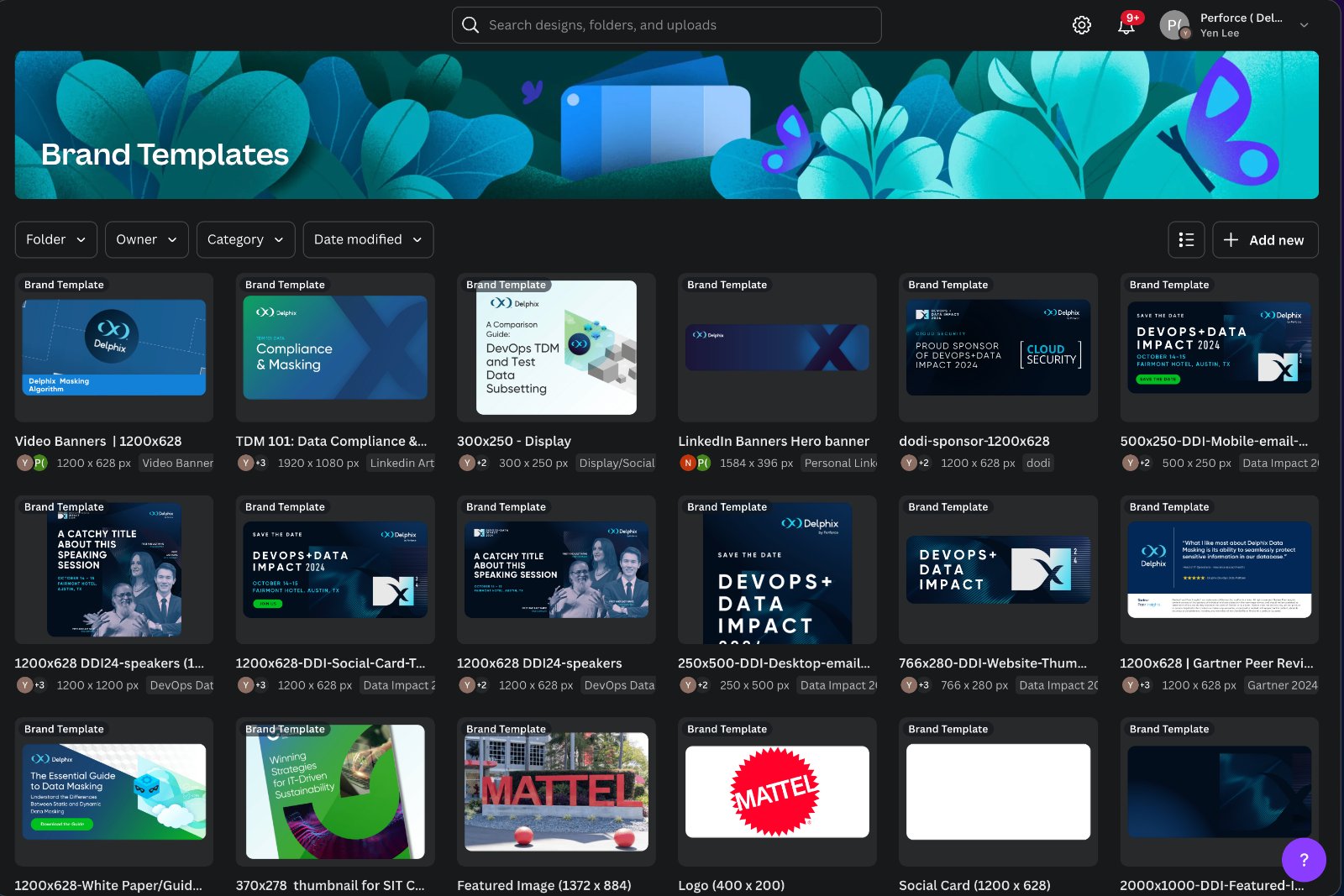
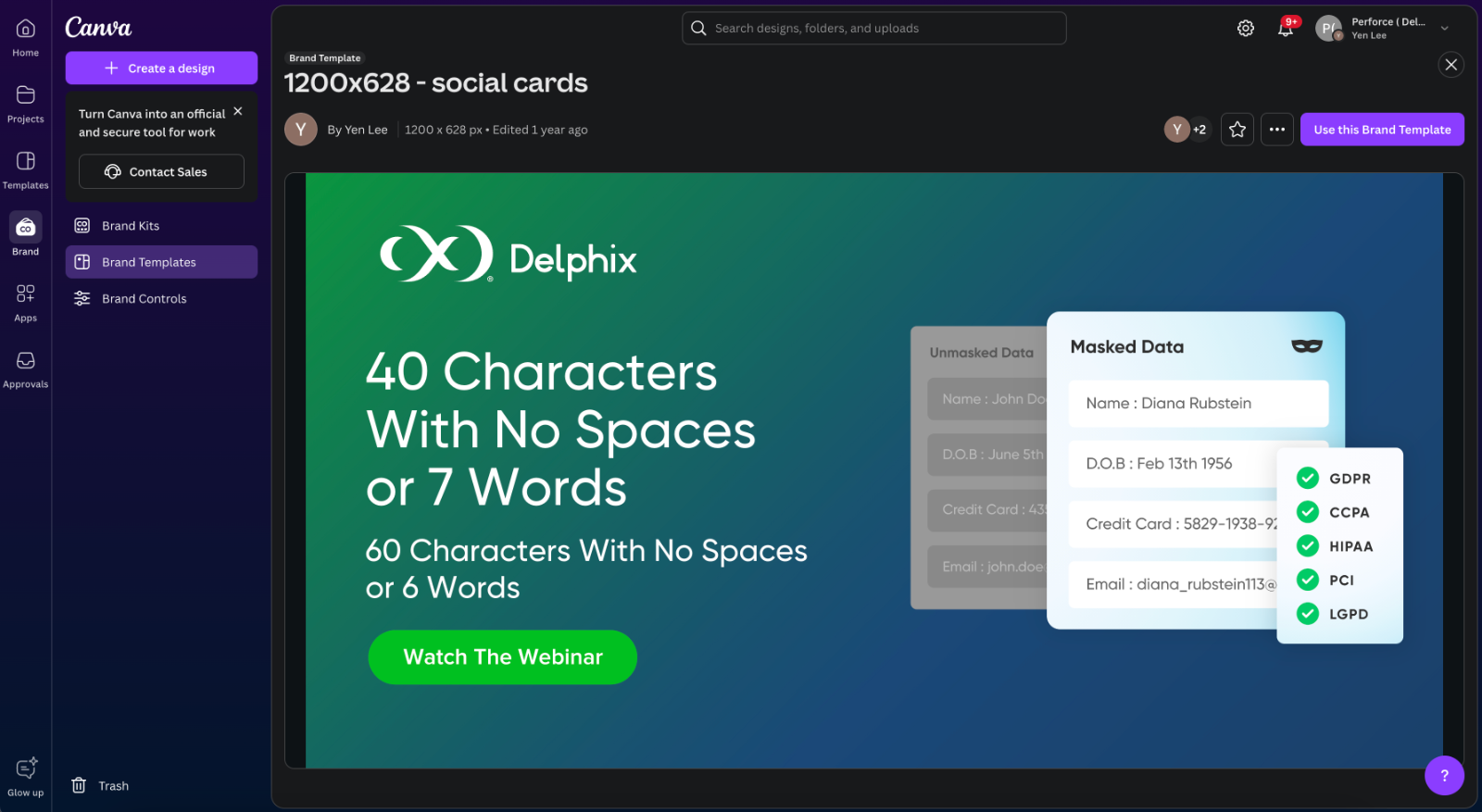
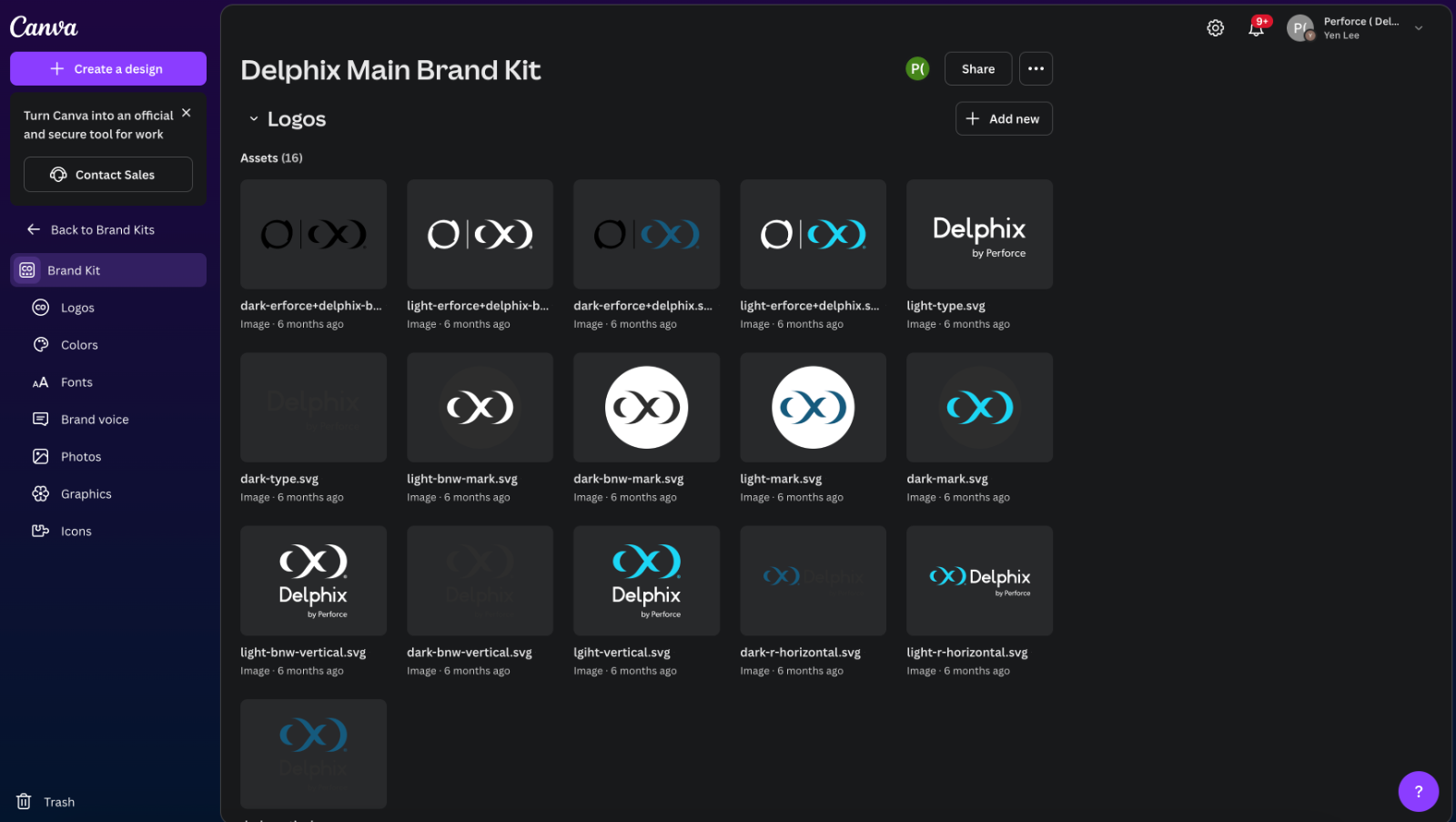
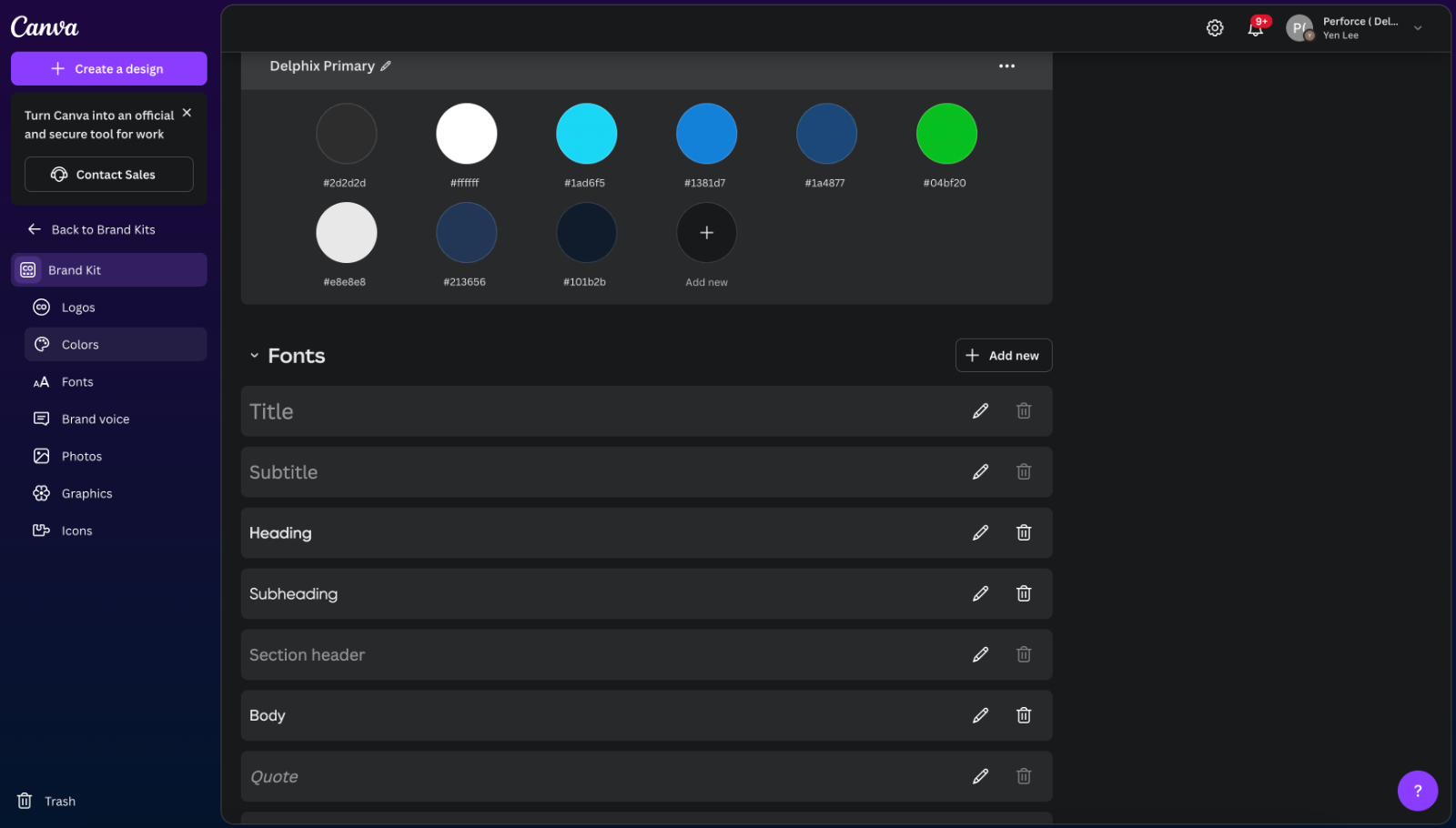
Operationalize the system.
Intake, production, asset management, and cross-functional work, connected end to end.
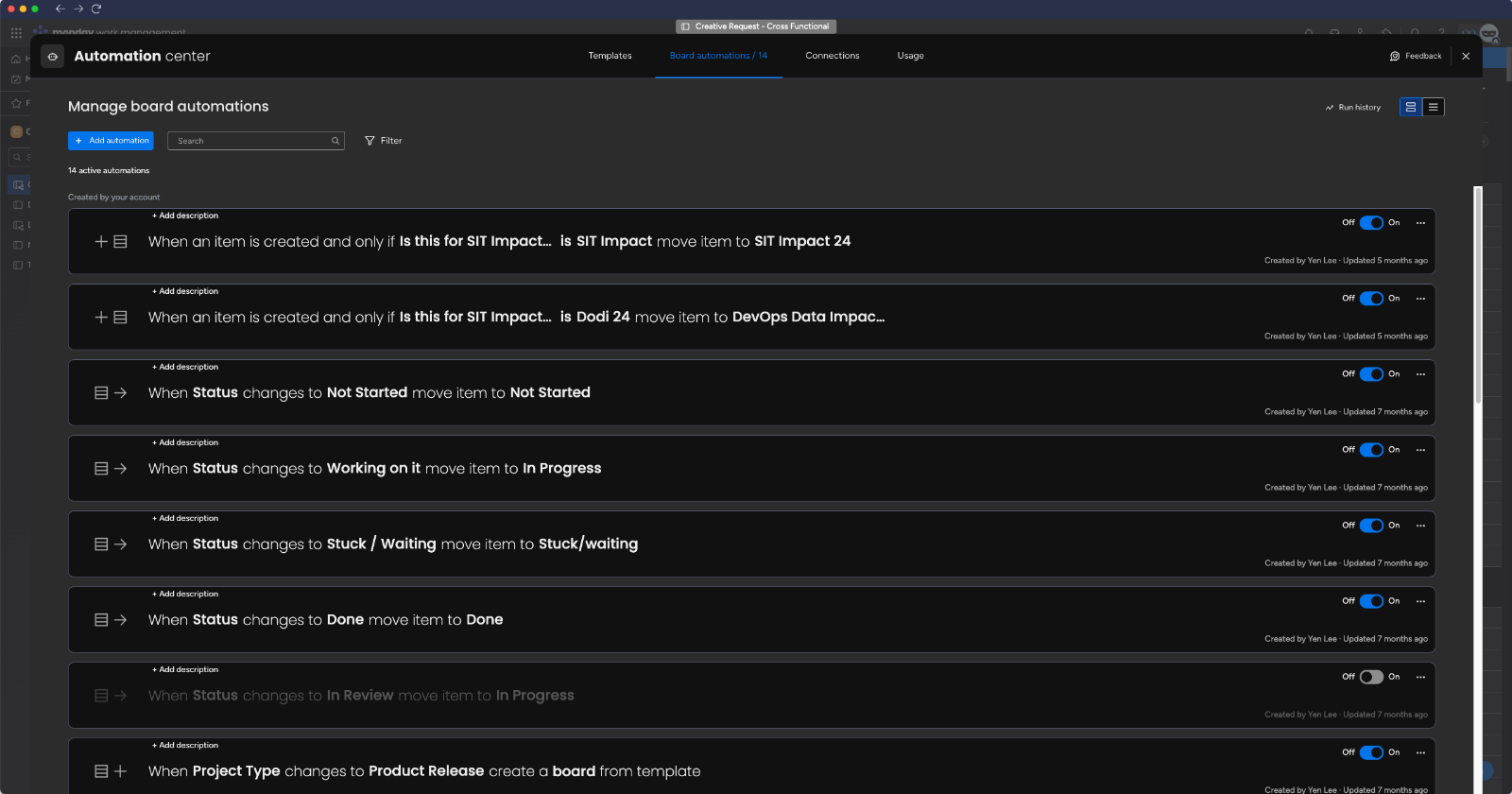
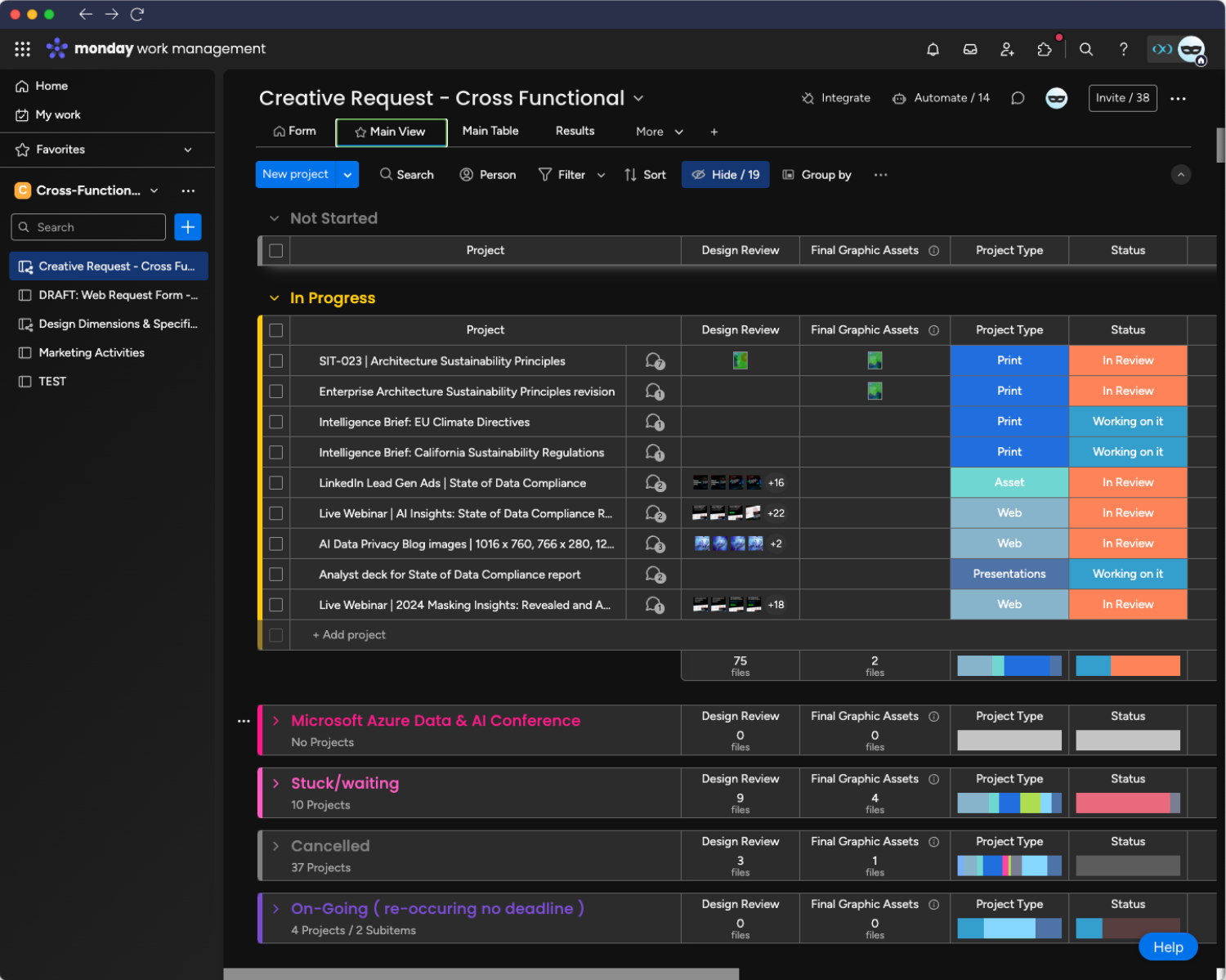
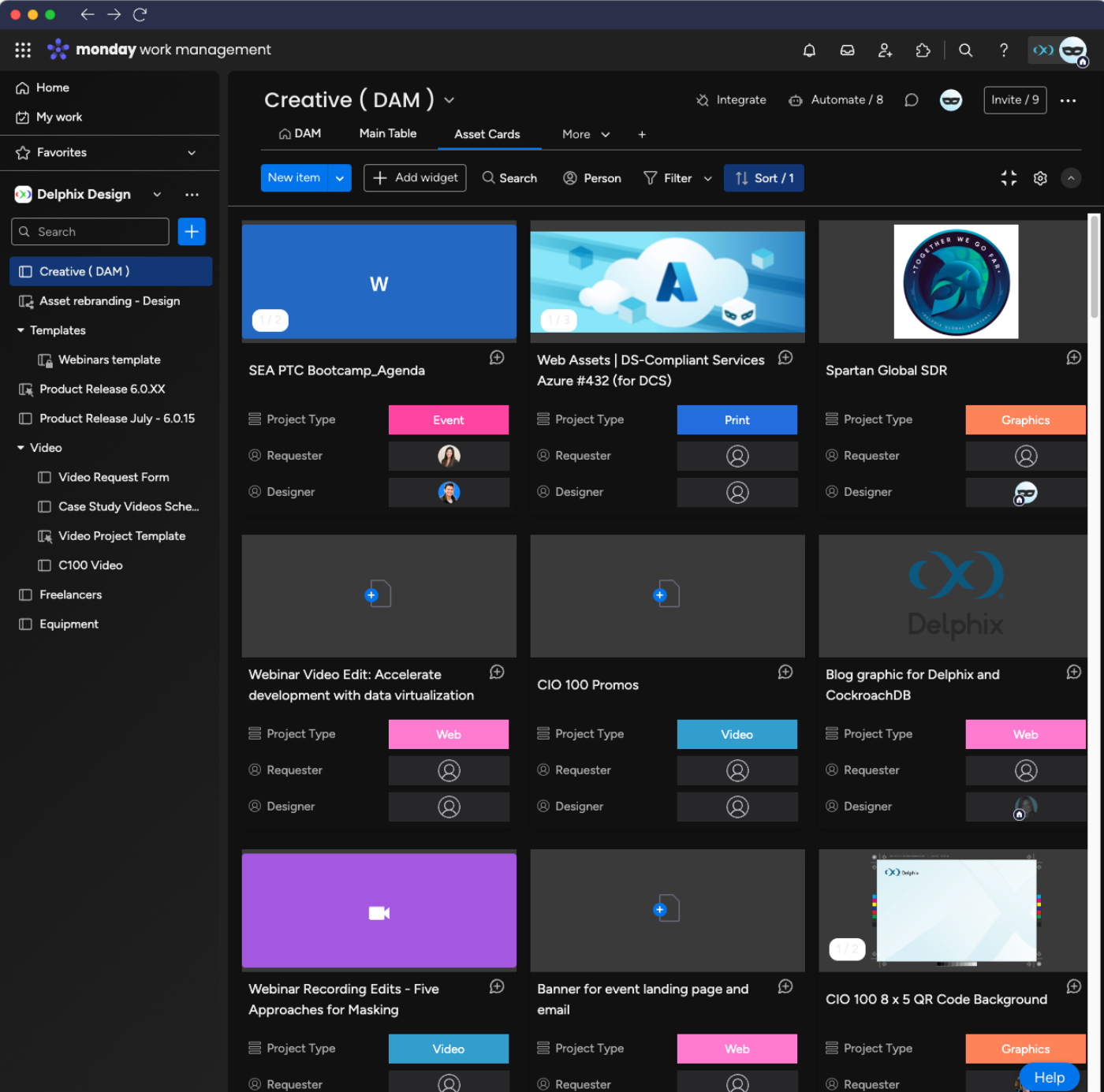
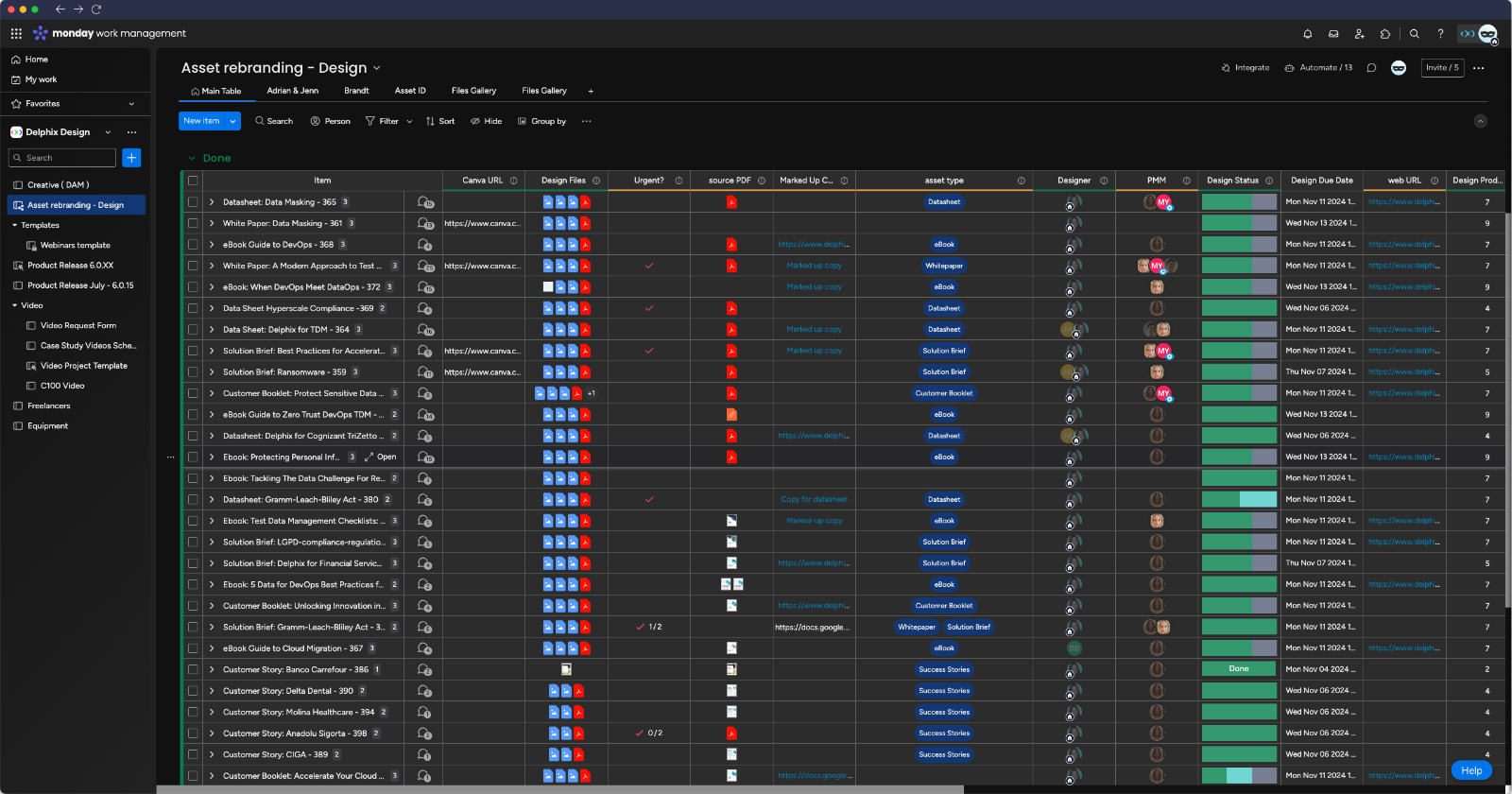
A brand that runs itself.
The system cut creative tickets by roughly 60% and let a lean team keep the brand consistent without a bigger headcount. It also made the team a place people wanted to stay, zero churn across five years.